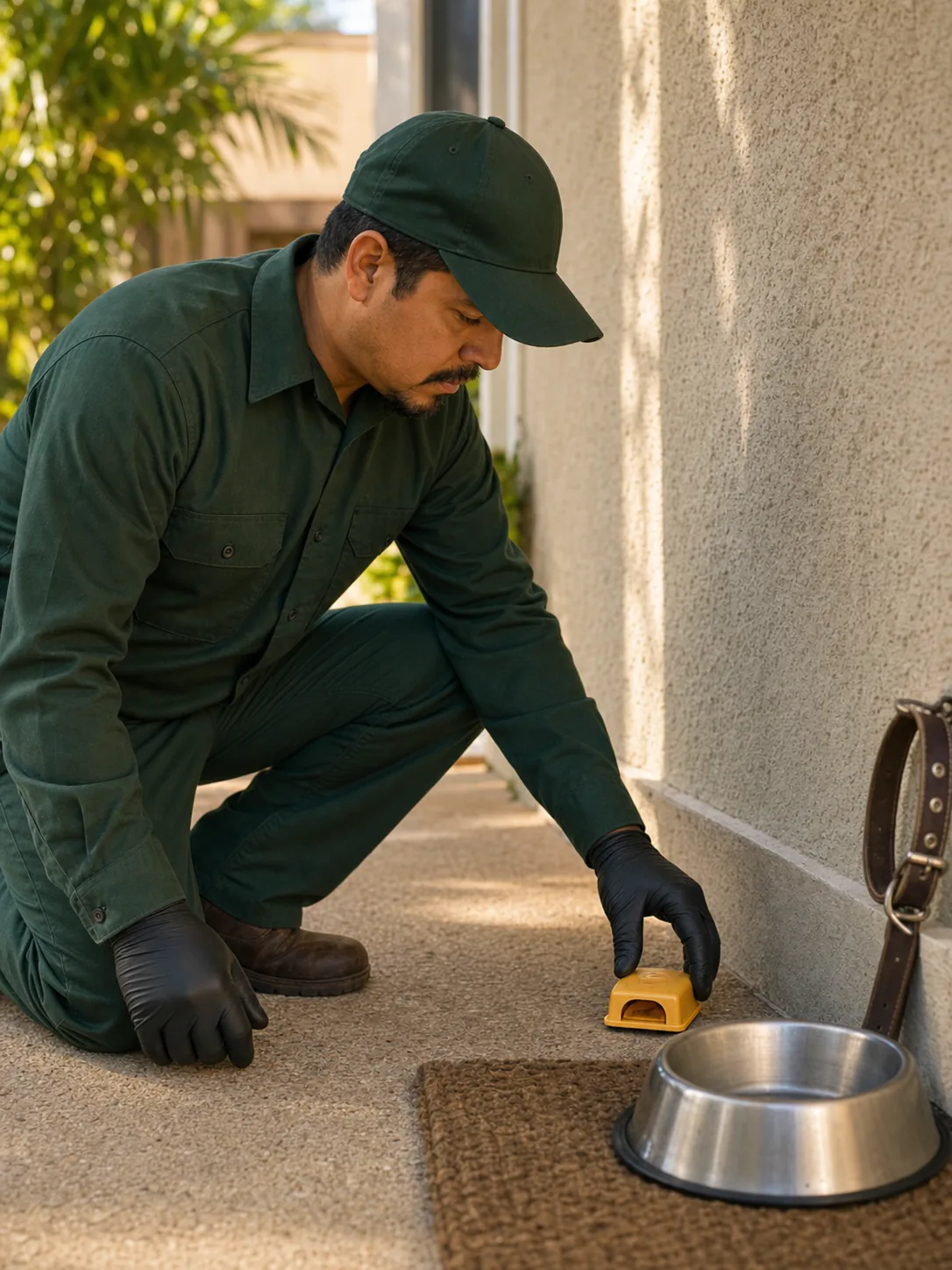
Fleas are a persistent problem for Brownsville pet owners. These tiny parasites feed on blood, cause itchy bites, and can transmit diseases to both pets and humans. Flea infestations can develop quickly — a single female flea can lay up to 50 eggs per day. Effective flea control requires treating both your pets and your home.
Watch for these signs of fleas in your home:
Effective flea control requires a multi-step approach:
Every treatment our partners recommend is EPA-registered and applied by TDA-licensed technicians. Re-entry times are posted transparently for every product. Ask what's used before you commit.
Every service is delivered by a TPCL-licensed local operator.
Fleas have a complex life cycle — egg, larva, pupa, and adult. The pupal stage is protected in a cocoon and resistant to insecticides. After treatment, adult fleas may continue to emerge from cocoons for weeks. This is why multiple treatments are often necessary, along with ongoing pet prevention.
Yes, though it's less common. Fleas can be brought in by wildlife like raccoons or opossums, on used furniture or rugs, or by visiting animals. However, most household flea infestations are associated with pets.
Initial treatment kills adult fleas within hours, but flea eggs and larvae continue to develop. Complete elimination typically requires 2-3 treatments over 4-6 weeks to break the flea life cycle. Consistent pet treatment is essential to prevent reinfestation.
Professional indoor flea treatments use products that are safe for pets once dry (usually 1-2 hours). However, pets should be removed during treatment. Always inform your pest control technician about your pets, and coordinate treatment with your veterinarian's flea prevention program.
One short form. A licensed local technician reaches out within 24 hours. No pressure, no upsell — the whole point of this site is to make the choice easier for you.