Guide · Updated 2026

Signs of Termites in Brownsville Homes
Brownsville, TX

Brownsville's warm, humid subtropical climate makes it one of the most termite-prone cities in the United States. Subterranean termites are active year-round in South Texas, and by the time you notice visible damage, the colony may have been eating your home for months. Knowing the early warning signs can save you thousands of dollars in structural repairs.

Trusted by 240+ Brownsville households since 2024
Fact-checked
Signs of Termites in Brownsville Homes — Brownsville, TX
Brownsville Pest Pro Editorial Team
Field notes Field notes
Part 1

Why Brownsville Homes Are at High Risk

Brownsville sits in the heart of the Rio Grande Valley, where warm temperatures and high humidity create the perfect environment for subterranean termites. According to the University of Texas AgriLife Extension Entomology, most homes in South Texas are at risk of termite infestation. The region's clay soil, common in Cameron County, retains moisture that termites need to survive.

In practice In practice
Part 2

7 Signs of Termite Activity

Termites are often called "silent destroyers" because they can eat through wood, flooring, and even wallpaper without being detected. Here are the seven most common signs to watch for:

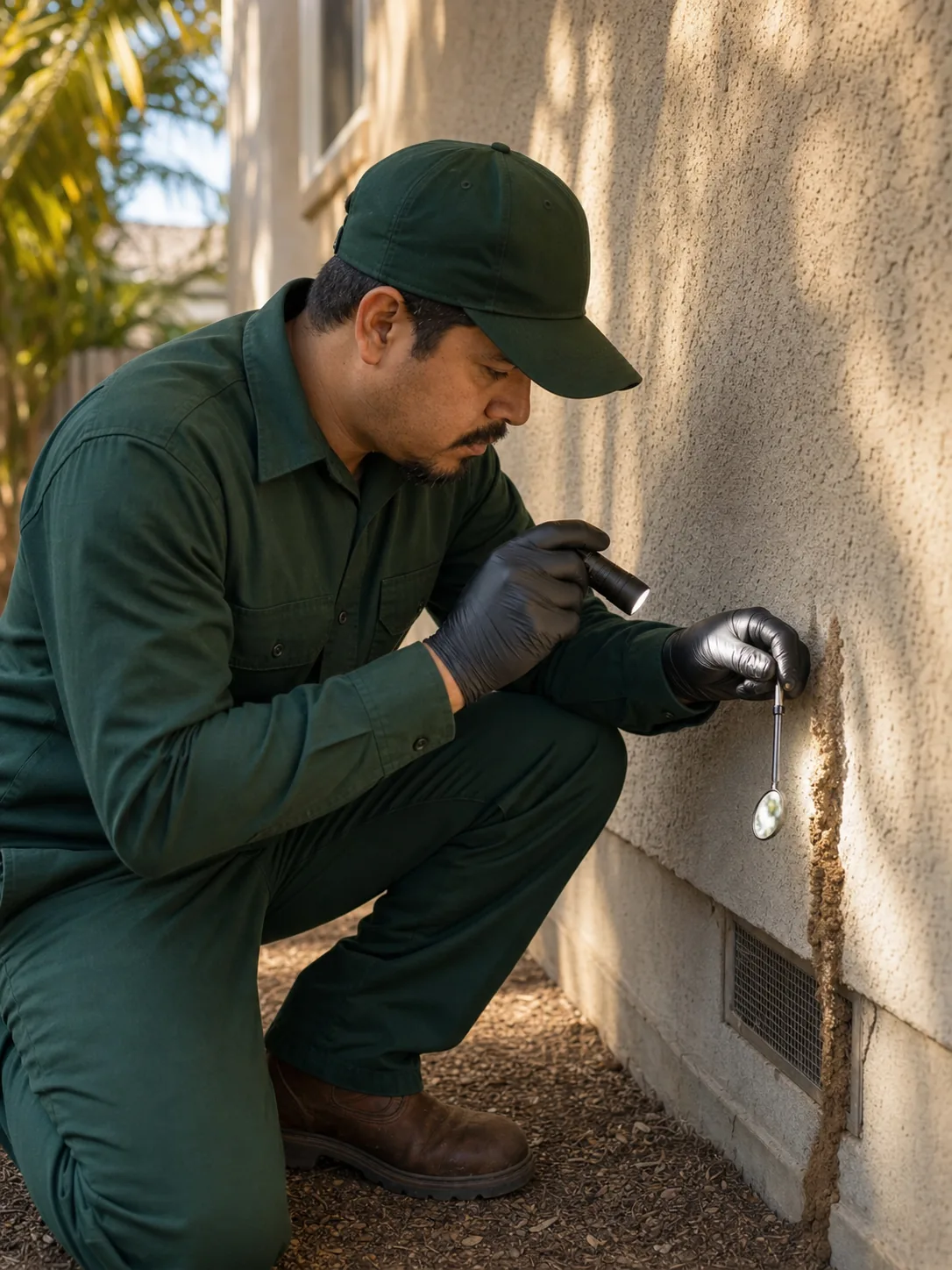
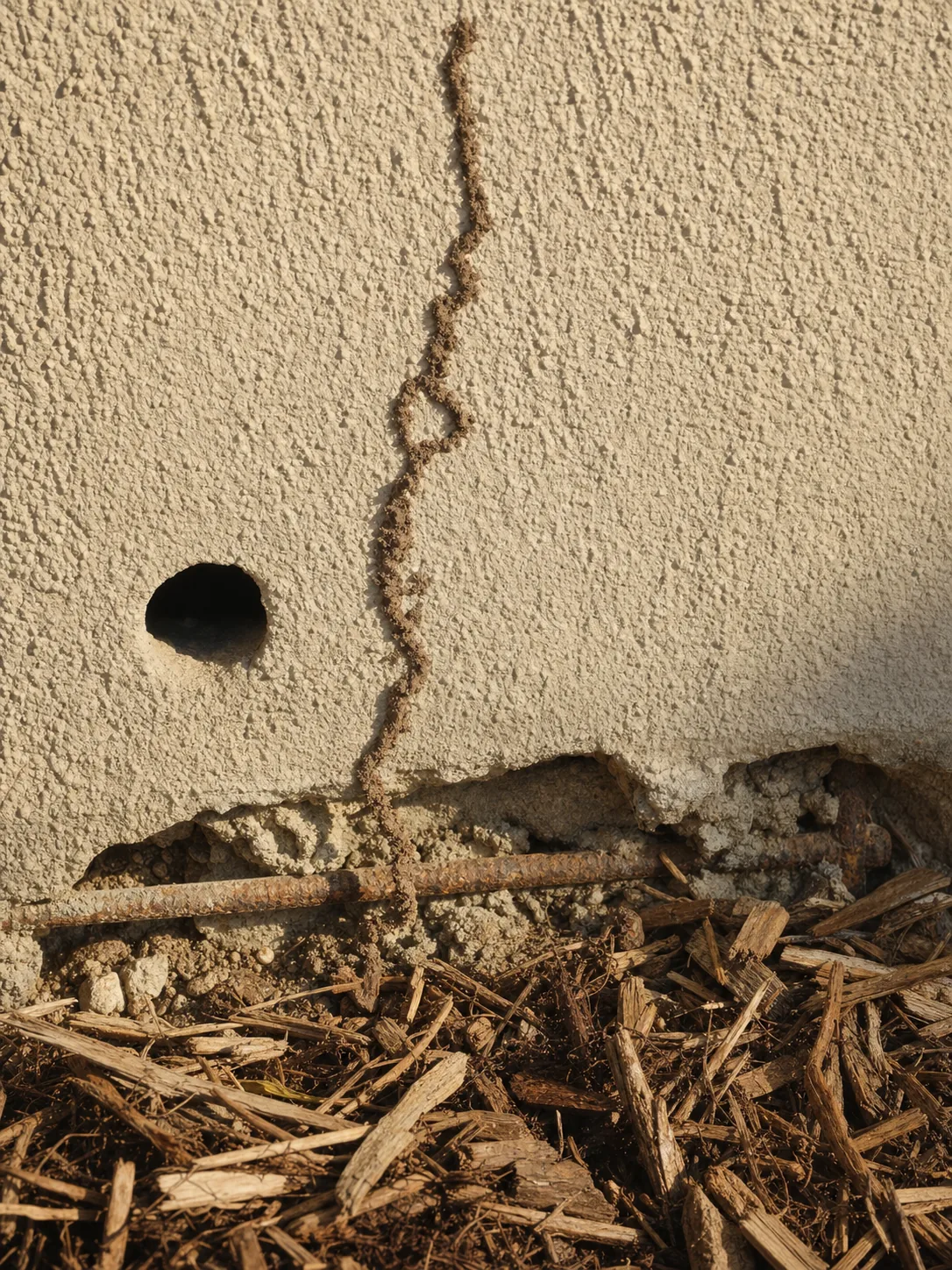
  • 1. Mud Tubes on Foundation Walls. Subterranean termites build pencil-width mud tubes along exterior walls, foundations, and crawl spaces. These tunnels protect them from dry air and predators as they travel between their underground colony and food sources. If you see mud tubes, do not disturb them — a technician will need to inspect them to determine if the colony is still active.
  • 2. Discarded Wings Near Windows and Doors. During swarming season (typically March through June in Brownsville), winged termites called swarmers emerge to start new colonies. After finding a mate, they shed their wings. You may find piles of translucent wings near windowsills, doors, or light fixtures. This is often the first visible sign of a termite problem.
  • 3. Hollow-Sounding Wood. Tap on wooden beams, baseboards, and flooring. If the wood sounds hollow or papery, termites may have eaten the interior. Termites eat wood from the inside out, leaving a thin layer of paint or veneer that can look normal on the surface.
  • 4. Frass (Termite Droppings). Termite frass looks like small, dark pellets similar to sawdust or coffee grounds. You may find these near wooden structures, baseboards, or in crawl spaces. Frass is a clear sign of an active infestation.
  • 5. Stuck Windows and Doors. When termites eat wooden frames, the damage can cause warping. If your windows or doors suddenly become difficult to open or close, especially during dry weather, it could be a sign of termite damage.
  • 6. Sagging Floors or Ceilings. In advanced infestations, termites compromise structural wood to the point where floors sag or ceilings dip. This is a sign of significant damage that requires immediate professional attention.
Field notes Field notes
Part 3

What to Do If You Suspect Termites

If you notice any of these signs, do not attempt to treat the problem yourself. DIY termite treatments are rarely effective because they do not eliminate the colony — they only kill the termites you can see. The colony, which may contain hundreds of thousands of termites, will continue to damage your home.

In practice In practice
Part 4

Preventing Termites in Brownsville

While no prevention method is 100% effective, you can reduce your risk by:

  • Eliminating wood-to-ground contact around your home's foundation
  • Keeping firewood at least 20 feet away from the house
  • Fixing leaky outdoor faucets and ensuring proper drainage
  • Ensuring crawl spaces are well-ventilated
  • Scheduling annual termite inspections
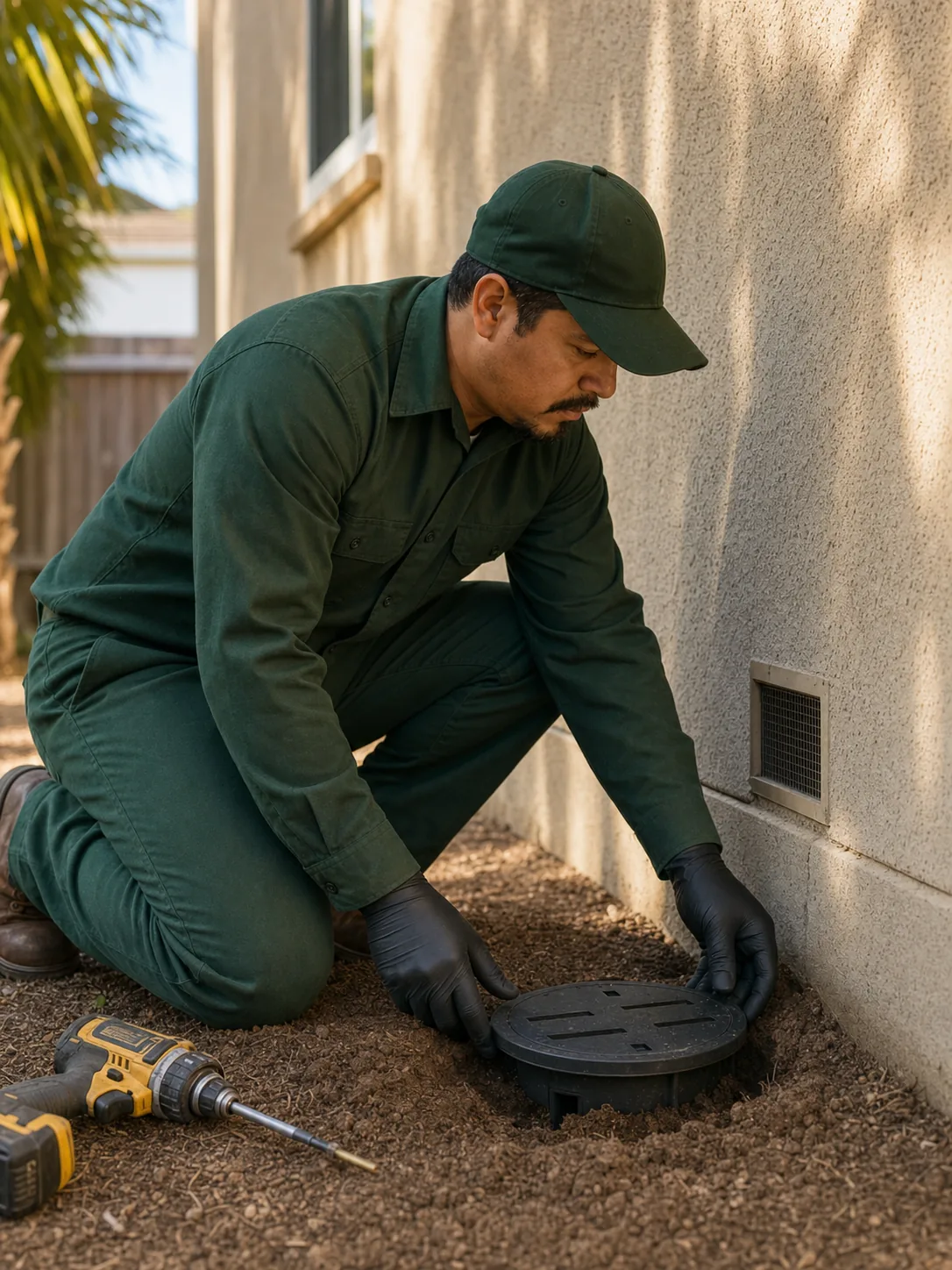
  • Considering a preventative bait system if you live in a high-risk area

Need this handled by a professional?

Submit one short form. A licensed local technician reaches out within 24 hours. No pressure, no upsell.

Get free consultation
Keep reading

Keep reading

Guides written for Brownsville homes, fact-checked against TDA and TAMU AgriLife sources.

Seasonal Pest Calendar for Brownsville, TX

Summer Pest Control Tips for Brownsville

Pest Control in Winter: Brownsville Guide

Common questions

Frequently asked questions

When is termite swarming season in Brownsville?

In Brownsville, termite swarming season typically occurs from March through June, often after rain. However, because of the warm climate, termites are active year-round and can swarm at other times as well.

How much damage can termites do to a Brownsville home?

A mature termite colony can consume approximately one foot of 2x4 wood every 120 days. Over the course of a year, a single colony can cause thousands of dollars in structural damage. The average termite damage repair costs $3,000-$10,000+.

How often should I get a termite inspection in Brownsville?

The Texas Department of Agriculture recommends annual termite inspections for homes in high-risk areas like Brownsville. Many pest control companies offer free inspections. See our termite treatment cost guide for pricing.

Ready when you are

Fix your pest problem, the right way.

One short form. A licensed local technician reaches out within 24 hours. No pressure, no upsell — the whole point of this site is to make the choice easier for you.

Free consultation →